Play: More Than Just Fun – A Powerful Tool for Healing and Connection
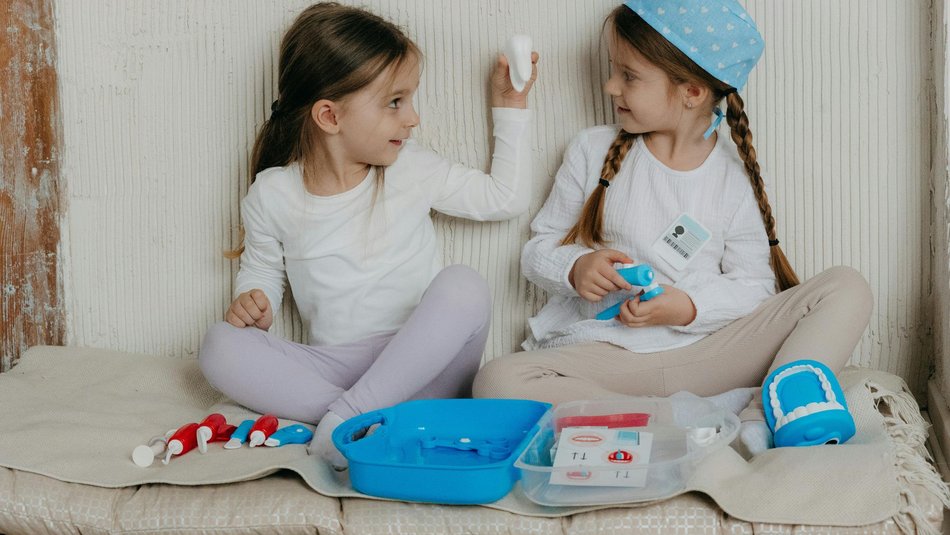
Although World Play Day took place on 28th May, its message is relevant every single day of the year. Play is not a luxury in childhood — it is a lifeline.
This post begins to explore why play matters so deeply, especially for children who have experienced trauma, loss, or disrupted relationships.
Play is the universal language of childhood. It is through play that children learn about themselves, understand others and make sense of the world around them.
Play is freely chosen and internally motivated. It is Fun, Uncertain, Flexible, Challenging, Non-productive, and rewarding.
Play is a natural language of children that can articulate thoughts feelings, beliefs, and fantasy – it is a way to communicate about our interpersonal and internal world.
It is - “what children do when they follow their own ideas, in their own way, and for their own reasons” (Getting Serious about Play DCMS).
It is not purely frivolous and senseless, it is how children understand the world, articulate their hopes and dreams, learn to communicate and tell their stories.
Play is the natural language of children
Play is not a luxury in childhood - it is a lifeline.

Play helps children connect with others, learning communication, cooperation, and conflict resolution. It also builds confidence by encouraging them to take risks, try new things, and step outside their comfort zone. Through shared play, children experience inclusion, acceptance, and the chance to feel valued.
Play also fosters curiosity. When children become deeply absorbed in play, they learn to focus, persist, and link ideas together — skills that support deeper understanding and real‑world learning. It strengthens resilience too, offering a safe space to process emotions and cope with challenges. And because play allows children to make mistakes and try again, it naturally builds creativity and flexible thinking.
Play helps children connect with others
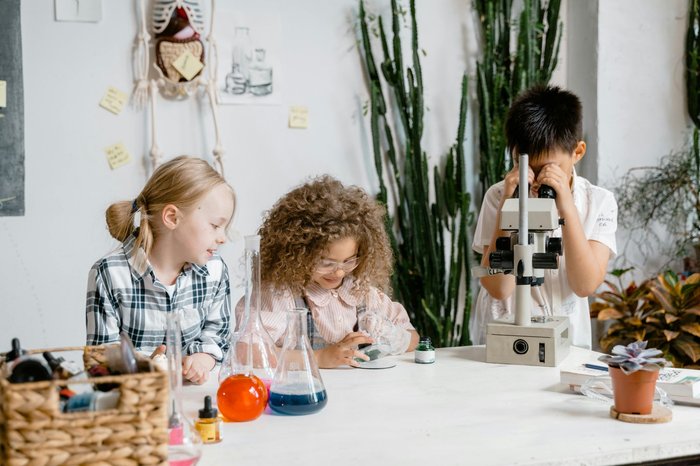
The Science Behind Play
Play is a natural biological and psychological drive. It strengthens brain pathways, supports empathy and communication, and allows children to test boundaries safely. Biologically, play releases dopamine, endorphins, and oxytocin — chemicals that promote joy, bonding, and resilience — while reducing cortisol and helping to manage stress.
Why Play Is Especially Important for Children in Care
For children in care, the world can often feel unpredictable, frightening, and overwhelming. Many have missed out on early opportunities for safe, relational play because caregivers were emotionally unavailable due to factors such as substance misuse, mental health difficulties, or domestic abuse.
As a result, children may not have developed a sense that adults are reliable sources of safety. They may rely on survival strategies rather than trust. Play offers a way to revisit missed developmental stages and rebuild those foundations.
Play becomes a language for connection — a space where adults can be more accepting, curious, and emotionally available. Through repeated, attuned interactions, children begin to internalise the belief:
I am safe
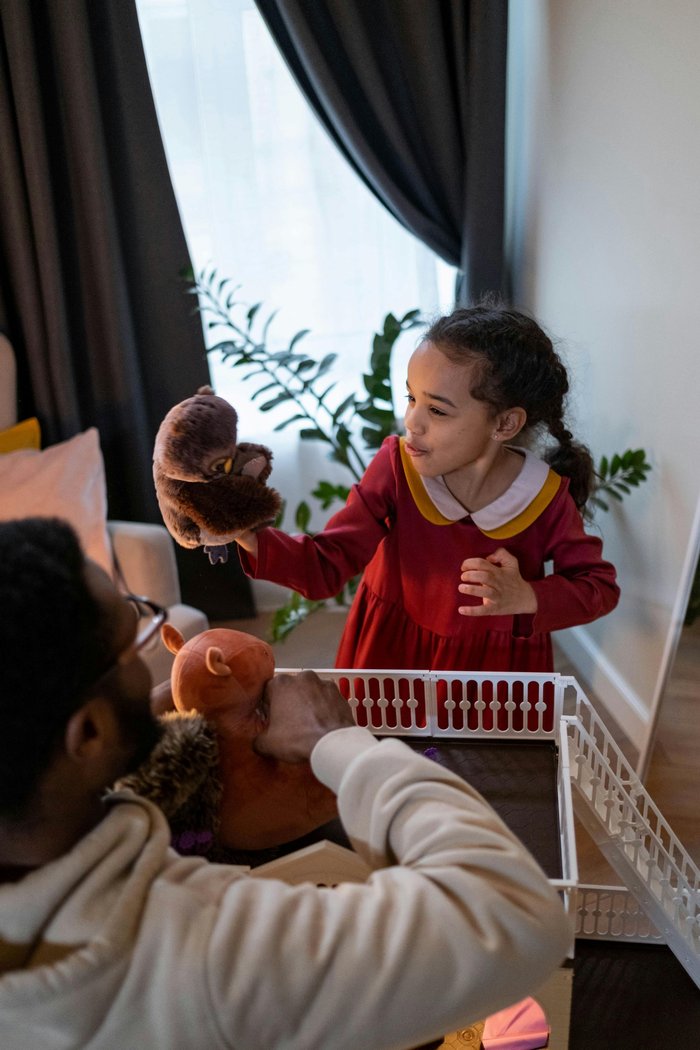
Play as a Language for Trauma
For children who have experienced trauma, neglect, or abuse, play is far more than a pastime. It is a vital, non‑verbal language that allows them to process the world when words might fail.
Play helps children:
- express feelings safely
- recreate and make sense of experiences
- build trust with safe adults
- feel psychologically safer in relationships
Because trauma disrupts the development of emotionally trusting relationships, children may struggle to believe that adults can be relied upon. Play offers a gentle, relational route back to connection.
The Role of Adults in Therapeutic Play
Whether you are a carer or a teacher, everyday play can become a therapeutic opportunity. Play creates a space where expectations are reduced, emotional expression is accepted, and connection is prioritised over correction.
This reflects the principle of connection with correction (Golding, 2017), where the relationship becomes the foundation for growth.
Programmes such as The Incredible Years (Webster‑Stratton, 1978) and Theraplay (Jernberg & Booth, 1967) show that play strengthens responsive relationships, repairs disconnection, improves emotional regulation, reduces anxiety, and supports communication.

When a child works with a professional — such as a Registered Play Therapist — they enter what is often described as a safe container. The therapist is not there to “fix” the child. Their role is to offer a steady, attuned, and consistent presence so the child can explore their inner world at their own pace.
Play therapy is often child‑led, meaning the child chooses how to use the space, the toys, and the time. Alongside this, the therapist may introduce specific creative or play‑based therapeutic approaches when it supports the child’s process. Through this combination of freedom and gentle guidance, children can begin to:
Externalise trauma By acting out stories or themes in the playroom, children move internal pain into the external world, where it becomes more manageable.
Build regulation With the therapist’s attuned support, children gradually shift from states of “fight, flight, or freeze” into a felt sense of safety and connection.
Develop agency Because the child leads the play, they experience choice, control, and influence — things that may have been taken from them through neglect or abuse.
“But Won’t Re‑enacting Trauma Make It Worse?”
This is a common worry for caregivers. In reality, the opposite is usually true.
Think of play as a pressure valve. When children keep trauma bottled up, pressure builds until it spills out in outbursts, shutdowns, or behaviours that seem to come from nowhere. In the safety of the playroom, children can release that pressure gradually and symbolically.
Sometimes this leads to a temporary increase in emotional intensity — a therapeutic bump. This is not a sign of harm. It is often a sign that the child is finally processing experiences they have held inside for a long time.
You don’t need a therapy qualification to support a child through play. Everyday moments can become healing opportunities.
1. Follow Their Lead
When a child is in control of the play, they feel empowered. Put distractions aside, get down to their level, and narrate what you see: “You’re building a bridge with the blue blocks.” This simple act validates their choices and presence.
2. Focus on Co‑Regulation
Traumatised children often have heightened nervous systems. You can help them regulate through rhythmic or sensory play:
- Rhythmic: drumming, rocking, dancing, bouncing
- Sensory: water play, sand, playdough, kinetic sand
These activities are grounding and soothing.
3. Use Low‑Stakes Storytelling
If a child cannot talk about their own feelings, use toys or puppets to explore “someone else’s” story. “This little bear seems sad today because he had to move to a new cave.” This creates emotional distance while still allowing expression.
4. Prioritise Connection (“Serve and Return”)
When a child makes a “serve” — a look, a sound, a gesture — return it with warmth. These micro‑moments build the attachment bonds many children in care have missed.
Your nervous system is the anchor. When you remain calm and present during play — even when emotions run high — you show the child that their feelings are safe and manageable.
Filial therapy describes this as a “be with” attitude:
“I am here. I see you. I hear you. I care.”
You are not expected to be a therapist. But by offering consistent, predictable, reliable, and warm play experiences, you are doing the most important work of all: helping a child learn that they are safe, capable, and loved.
What opportunities and obstacles exist for you in making more time for play?
I am here. I see you. I hear you. I care.

Disclaimer: If a child's play becomes consistently aggressive, sexually explicit, or focused on self‑harm, please seek support from their professional team or our organisation’s duty service. These may be signs that the child needs specialised therapeutic input.