Help and advice for professionals supporting care experienced young people
Practical, trauma-informed tools and insights for those supporting care experienced young people.
The transition to adulthood is rarely a straightforward journey. Care experienced young people often face challenges that require reflection, creativity, and consistent support. Explore the resources available here to find tools, ideas, and reassurance that can help you provide the best possible support to the young people you work alongside.
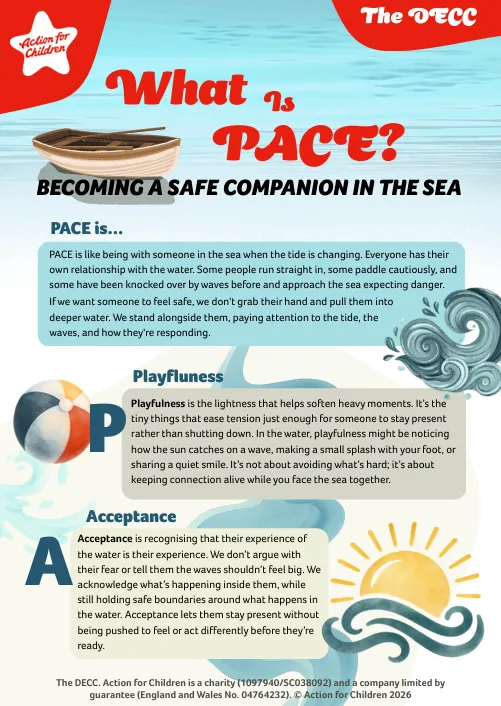
What is PACE? Becoming a Safe Companion in the Sea
Drawing on PACE (Playfulness, Acceptance, Curiosity and Empathy), developed by Dan Hughes (2007), this resource uses the metaphor of the sea to illustrate how adults can support young people through emotional ups and downs. Rather than trying to control or change their feelings, PACE encourages professionals to remain connected, understanding and responsive, helping young people feel safe, accepted and supported as they navigate their experiences.
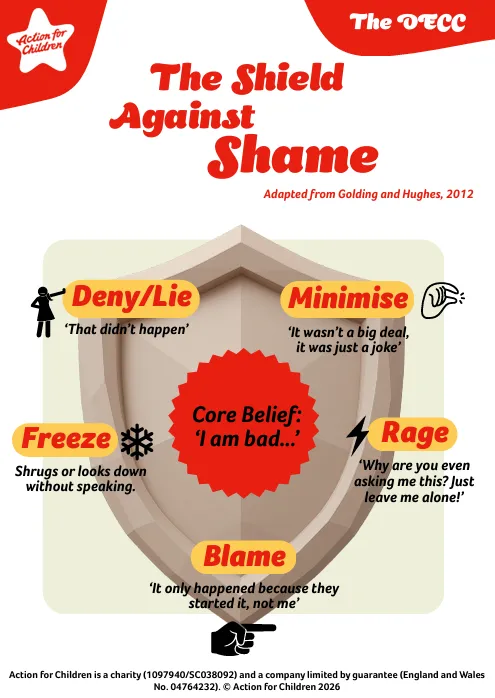
The Shield Against Shame
This resource shows how, when young people feel deep shame, often rooted in their early experiences of relational trauma, they instinctively use protective responses such as denying or blaming to shield themselves from the intensity of this feeling, linked to a core belief of 'I am bad'. These reactions are not deliberate choices but automatic ways of coping with overwhelming emotions. Becoming aware of this, can help caregivers respond to the young person's needs with empathy and understanding.
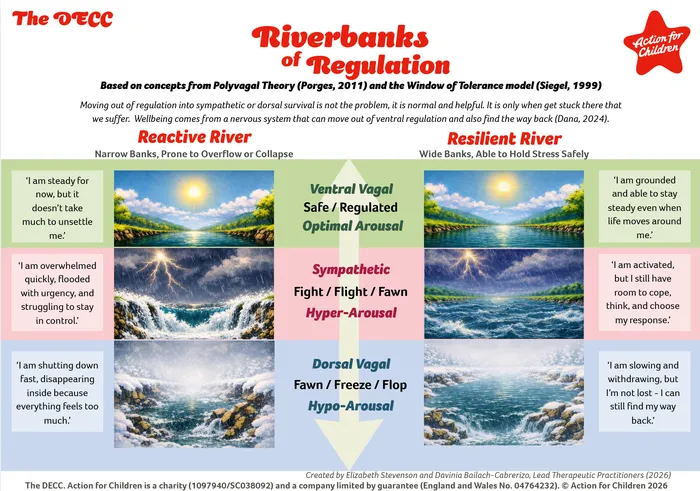
Riverbanks of Regulation
Drawing on Polyvagal Theory (Porges, 2011) and Siegel's Window of Tolerance (1999), this resource uses the metaphor of riverbanks to illustrate a young person's capacity to regulate emotions and cope with stress. Wide, resilient riverbanks represent a broader window of tolerance, enabling them to remain regulated and respond flexibly to challenges. Narrow, reactive riverbanks reflect a reduced capacity to manage stress, increasing the likelihood of hyper-arousal (fight, flight, fawn) or hypo-arousal (freeze, flop, shutdown). Understanding these states can help caregivers provide support that promotes safety, connection and emotional regulation.
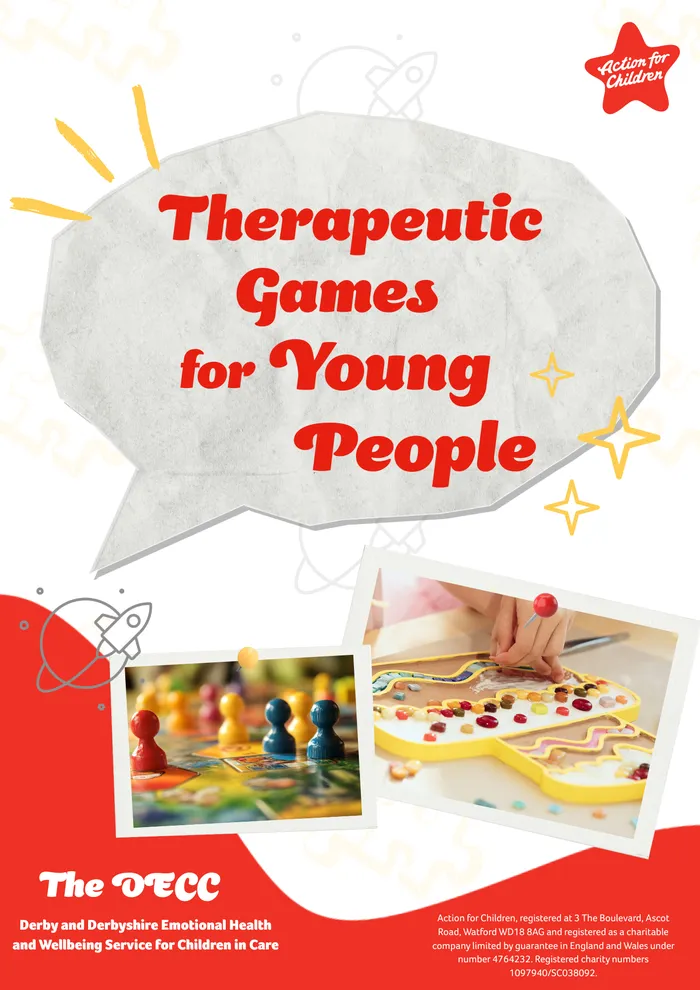
Therapeutic Games for Young People (Leaflet)
This guide introduces a wide range of therapeutic games designed to support children and young people with emotional regulation, communication, confidence, social skills, and grounding. It explains why choosing activities based on a young person’s developmental stage is essential, and offers practical tips for creating emotional safety and adapting games to individual needs.
Inside, you’ll find themed lists covering games, anxiety and anger tools, impulse‑control activities, therapeutic computer games, and simple sensory or grounding exercises. Each game includes age ranges and a short description, making it easy to identify what might help the young person you’re supporting.
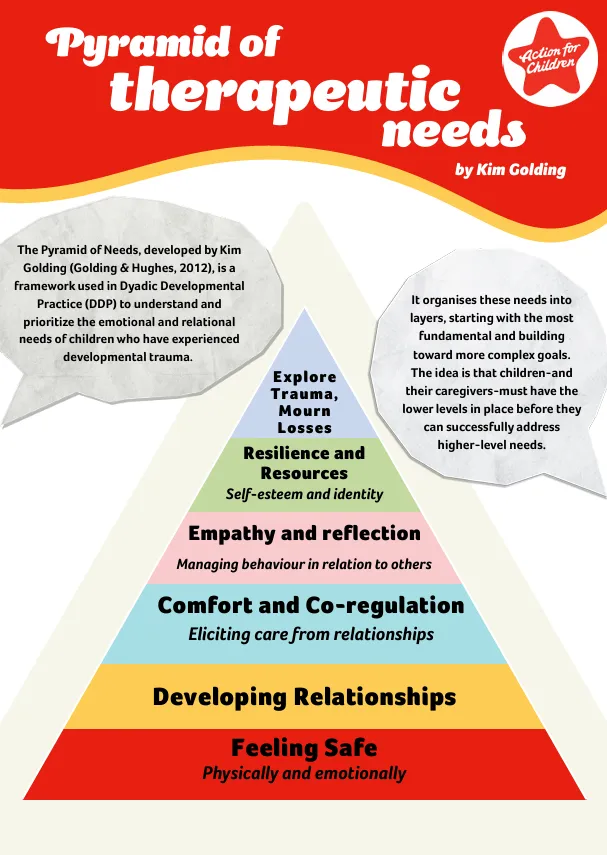
Pyramid of Therapeutic Needs
This leaflet outlines Kim Golding’s Pyramid of Therapeutic Needs, a DDP framework that helps caregivers and professionals understand the step‑by‑step emotional needs of young people who have experienced developmental trauma. It shows how young people move from 'feeling safe physically and emotionally' toward reflection, resilience, and processing trauma, supported by consistent, attuned caregiving and support.
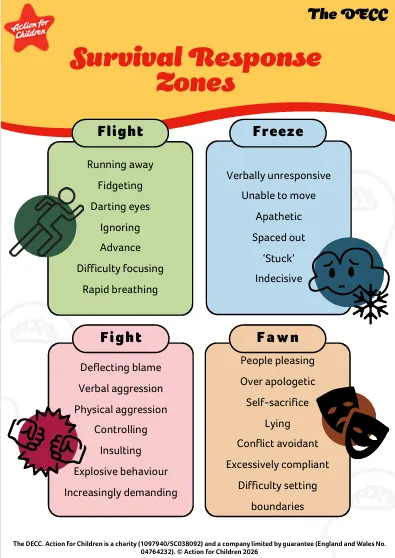
Survival Response Zones
This poster offers a clear visual breakdown of four instinctive trauma responses: Flight, Freeze, Fight, and Fawn. Each zone highlights specific behaviours that young people may display when experiencing stress or emotional overwhelm.
Understanding these zones can deepen your trauma-informed approach and help you interpret behaviours that may otherwise be misunderstood.
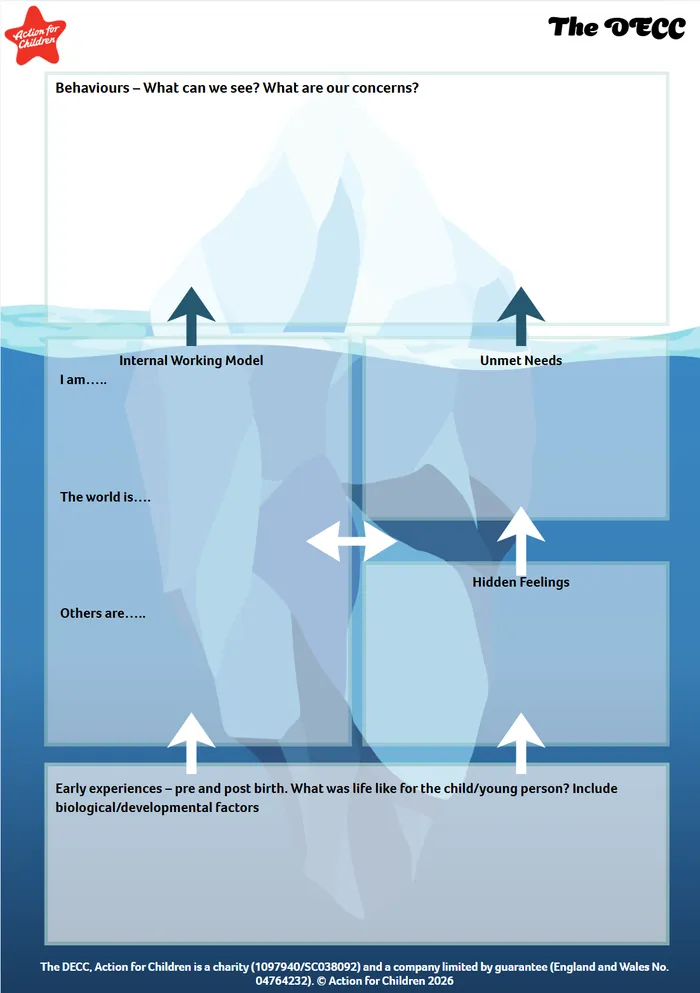
Iceberg Formulation
The iceberg formulation offers a visual representation of the underlying factors that may influence a young person's behaviour and responses. It highlights the importance of looking beyond what is immediately visible, to explore their internal working model, unmet needs and hidden feelings, alongside early life experiences and developmental factors. This resource encourages professionals supporting young people to consider what might be driving a behaviour, rather than focusing solely on what they see on the surface, helping to promote a more understanding, trauma-informed and needs-led approach.
Emotional Wellbeing and Mental Health Support

Derbyshire Federation for Mental Health
DFMH offer a range of 1-1 support services for young adults (17.5 to 25 years) based in the High Peak, Chesterfield and Derbyshire Dales.

Derbyshire Healthcare Adult Services Directory
Derbyshire Healthcare NHS Foundation Trust Adult Services provides information about support available for adults across Derbyshire and Derby, including mental health and emotional wellbeing. Most services are available countywide, with some specialised learning disability and dementia services offered in southern Derbyshire. The page also signposts people to community teams, hospital-based support, and referral routes to access appropriate care and treatment.
Derbyshire Mental Health Helpline
Derbyshire Mental Health Helpline and Support Service provides free, 24/7 telephone support for people of all ages in Derbyshire who are experiencing anxiety, emotional distress, or a mental health crisis. Accessed via NHS 111 (select the mental health option), the service offers emotional support, practical advice, signposting to local services, and referrals to safe havens or crisis support where needed, with specialist support available for children, young people, and Deaf BSL users.
Trauma Informed Resources
Beacon House
Beacon House provides a wide range of free, trauma-informed resources for children, young people, families and professionals. The resources include information, videos, podcasts and practical tools to help people understand trauma, attachment, emotional regulation, sensory needs, mental health and recovery, making specialist knowledge more accessible to those affected by adversity and loss.
Diversity and Inclusion

Jami
Jami supports and transforms the lives of those in the Jewish community affected by mental illness. They offer expert guidance, emotional support, and help people navigate the complexities of mental health services.
Their support is available to young people, adults, and their families and carers.
Neurodiversity
NeuroHub
Neurodiversity drop-in hubs across Derbyshire, which offer support to young people and families. The hubs led by Derbyshire Autism Service are ran in Derby, Buxton, Chesterfield and Ripley.
Download the leaflet here.
National Organisation for FASD
The UK’s leading charity supporting individuals and families affected by Foetal Alcohol Spectrum Disorder, offering resources, training, and advocacy to improve awareness, prevention, and care - all grounded in a 'no‑shame, no‑blame' approach.
UASC
Upbeat Communities
Upbeat Communities is a Derby‑based charity supporting refugees and people seeking sanctuary to settle, connect, and rebuild their lives. Through practical help, education, and community‑building activities, they create welcoming spaces where newcomers feel safe, included, and supported.
Bereavement Support

Treetops Hospice
Treetops offer counselling and emotional support to bereaved adults, children and young people residing in Derby City, Erewash or South Derbyshire.

Child Bereavement UK provides free, UK-wide bereavement support for children and young people (up to age 25), parents, carers and families affected by the death of a child or significant person. The service offers online support, helpline guidance, self-referral options, practical resources, webinars and specialist advice for both families and professionals, helping people understand, cope with and navigate grief and loss.
Support Around Substance Misuse

FRANK provides free, confidential advice and information about drugs and substance use for young people, families and professionals. Support is available 24/7 by phone, text and email, offering guidance on drug-related concerns, peer pressure, supporting others, and what to do in an emergency, with access to interpreters and information in multiple languages.
Suicide Prevention

Samaritans
Samaritans provides practical guidance for anyone worried about another person’s wellbeing, including how to recognise signs of distress, support someone experiencing suicidal thoughts or self-harm, respond in an emergency, and encourage open conversations. The service offers information, resources and advice to help people provide compassionate support while ensuring those at risk can access appropriate help.
Campaign Against Living Miserably
Campaign Against Living Miserably (CALM) is a UK suicide prevention charity that provides life-saving support for anyone struggling with their mental health, experiencing suicidal thoughts, or concerned about someone else. The service offers a confidential helpline, practical advice, resources and support on issues such as anxiety, depression, loneliness, grief, relationships, self-harm and crisis situations, with the aim of helping people find support and reduce suicide risk.
Others

Social Workers Toolbox
Social Workers Toolbox provides a comprehensive library of free resources, worksheets, assessments and practical tools for professionals working with children, young people and adults. The site includes materials covering mental health, trauma, safeguarding, emotional wellbeing, direct work, life story work, parenting, fostering and social care, helping practitioners engage service users and support positive outcomes.