Supporting Children with Eco Anxiety

World Environment Day took place on 5th June 2026, with a continued global focus on climate action.
For children growing up amidst adversity, trauma, or instability at home, eco anxiety can become an additional emotional burden. The cumulative impact of climate change can leave many young people feeling scared, uncertain, and overwhelmed about what the future holds.
Some children may struggle to process this reality, feeling overwhelmed, anxious and powerlessness, which can lead some children to disconnect or shut down emotionally. For children who have experienced trauma, feelings of powerlessness can be particularly triggering. Climate anxiety may amplify existing fears around safety, stability, and the future. A difficult but important reality is that many children are growing up with increased uncertainty and may move through stages of grief in response to climate change.
Research highlights the scale of this impact. A study by Hickman et al. (2021) found that 50–67% of children report feeling sad, scared, anxious, powerless, or guilty, while 60–78% of young people experience worry or fear about the future of the planet.
So, what can we do to support children to move from feeling overwhelmed and powerless towards feeling empowered to make a difference?
World Environment Day reminds us:
The window to avoid the worst consequences of climate change is narrowing, but it has not yet closed… we all have a role to play in building a more liveable future.

Supporting conversations about eco anxiety
Opening up conversations about environmental concerns can be a powerful first step. You may wish to explore a young person’s thoughts, feelings, and understanding of climate issues. You might be surprised by how much (or how little) they already know.
World Environment Day can provide a natural opportunity to introduce the topic. You could ask:
- “Have you heard about World Environment Day?”
- “What have you seen or heard about climate change?”
- “How does that make you feel?”
Providing a safe, non-judgemental space allows children to process their emotions and begin to make sense of their thoughts. This can help shift them from confusion or overwhelm towards understanding and reflection.
It is natural to want to reassure or “fix” children’s worries. However, sitting with and validating their feelings is often more helpful.
You might say:
- “It makes sense you feel worried about this.”
- “A lot of people feel like this sometimes.”
- “It shows you care about the world.”
Helping children understand that their anxiety comes from a place of care can be empowering. It is also important to normalise that these feelings are a natural response to uncertainty and anticipatory loss. They are not alone in experiencing them.
For children who have experienced trauma, feelings of powerlessness may already be familiar. Eco anxiety can amplify these experiences, therefore, building emotional safety and validating their experiences is even more essential.
Shifting from anxiety to empowerment
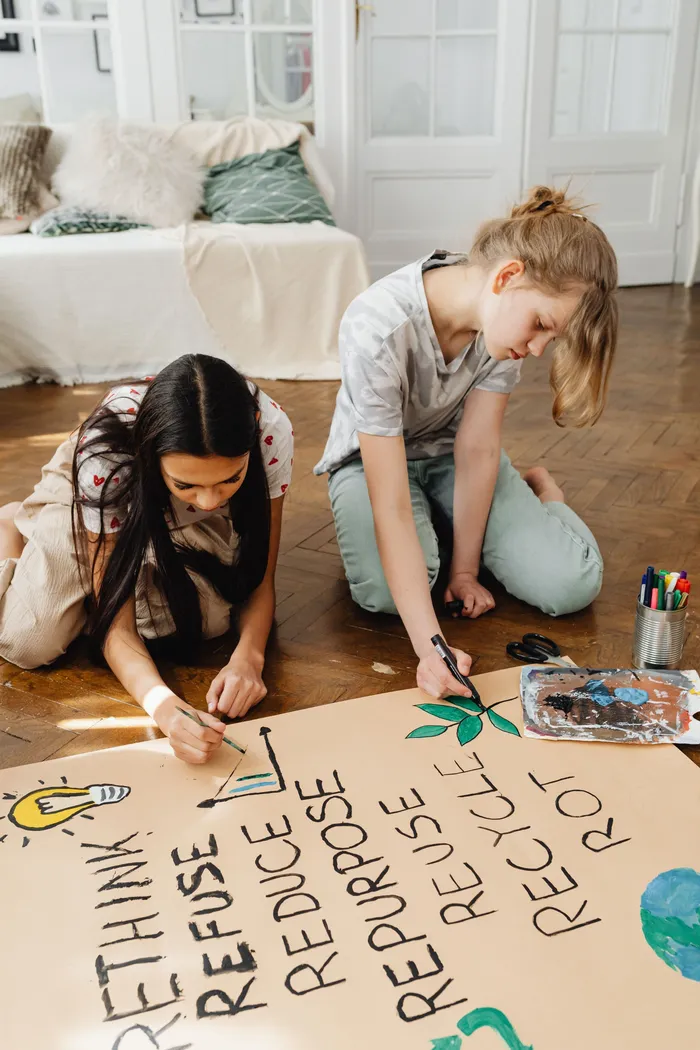
Empowerment comes from having a sense of choice, agency, and confidence to act. When children feel they can make even a small difference, their anxiety can begin to reduce.
Taking action is often an antidote to anxiety.
You could explore together:
- What small changes could we make?
- What is already being done to help the planet?
- Which actions feel realistic and achievable?
Learning about inspiring young activists such as Greta Thunberg, Licypriya Kangujam, Genesis Butler, and Enkhuun Byambadorj can also help children feel part of a wider movement for change.
Practical ways to reduce your carbon footprint
Small, everyday actions can help children feel actively involved:
- Reducing water usage
- Planting wildflowers or trees
- Feeding birds and supporting pollinators
- Reducing meat and dairy consumption
- Buying second-hand items and donating
- Litter picking in local areas
- Turning off unused electrical switches
- Repairing and reusing materials
- Recycling properly
- Creating a compost bin
- Using reusable bottles and bags
- Reducing single-use plastics
- Travelling less by car or plane where possible
These actions not only support the environment, but also increase a sense of agency and contribution.

Staying informed (without overwhelming)
Children are often exposed to climate related content online and through media. It is helpful to stay aware of what they are seeing and to check in regularly.
Rather than shielding children completely, aim for a balanced approach:
- Acknowledge the seriousness of climate change
- Provide accurate, age-appropriate information
- Highlight positive progress and solutions
You might also encourage critical thinking by exploring:
- “Where did that information come from?”
- “Do we know if it’s reliable?”
Regulation and coping strategies
Alongside action, children may need support managing strong emotions through:
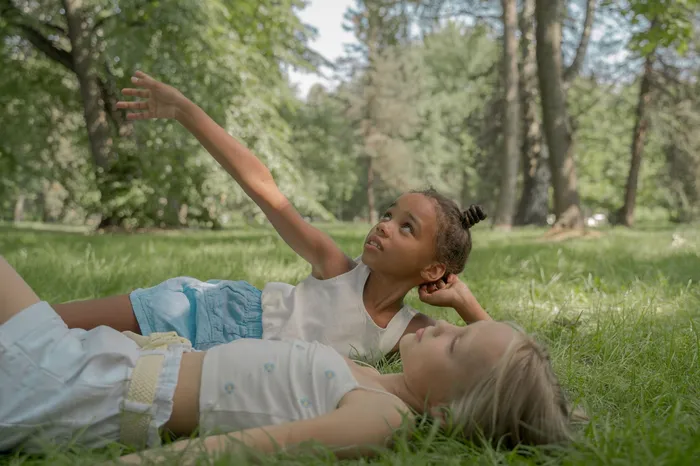
- Spending time in nature.
- Practising calming breathing exercises.
- Creating a “circle of control” (what I can vs can’t control).
- Limiting exposure to distressing media content.
- Encouraging creative expression (drawing, talking, writing).
These strategies can help children regulate their emotional responses and feel more grounded.
Helpful child-friendly resources
Info on climate change:
- What is eco-anxiety? | UNICEF
- What is climate change: facts for kids | National Geographic Kids
- Climate Change Facts for Kids: Causes, Effects and Solutions | Save the Children UK
- What is climate change? - KS2 - BBC Bitesize
Steps we can take:
- 25 AWESOME DIYS FROM PLASTIC BOTTLES - YouTube
- 20 ways to save the Earth | Parents - National Geographic Kids
- Climate Change: Facts and Actions for Kids - Woodland Trust
- Nature's Climate Heroes resources | Wildlife Watch
- KidsCAN: empowering children to take action on climate change - Low Carbon Hub
- Climate Anxiety: 5 positive actions you can take with your kids to help tackle climate change - BBC Bitesize
- NASA Climate Kids - NASA
These resources can support learning while maintaining a positive, action-focused perspective.
Supporting children with eco anxiety is not about removing their worries, it is about helping them feel heard, understood, and capable of creating change.
By combining:
- Open conversations
- Emotional validation
- Practical action
- Hopeful messaging
We can help young people move from fear to empowerment.
This World Environment Day, even the smallest conversations and actions can make a meaningful difference, not only for the planet, but for the emotional wellbeing of the children we support.
